
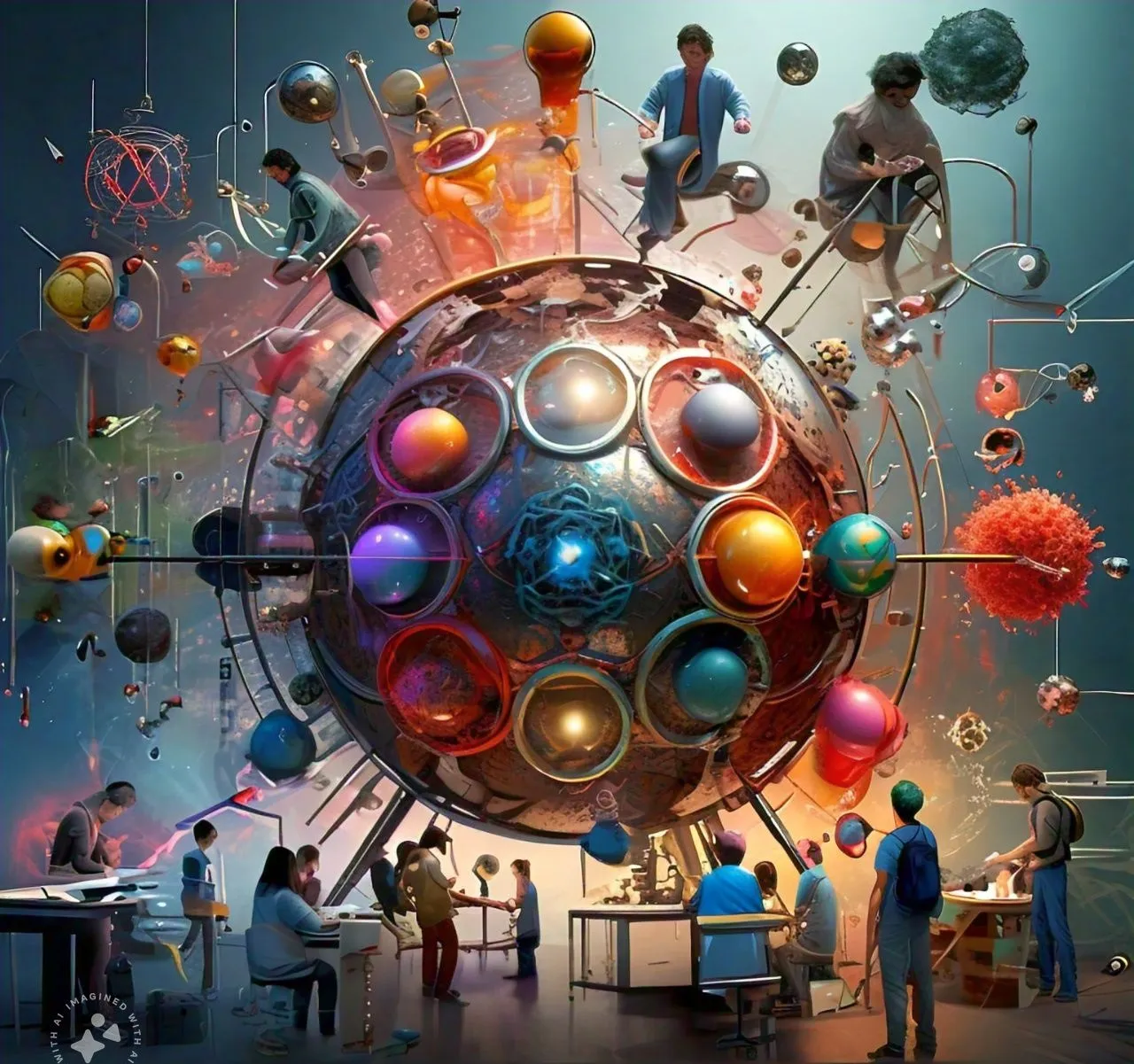
The Intersection of Art and Science: Creative Approaches to Learning
The Intersection of Art and Science: Creative Approaches to Learning
The traditional view of art and science often places them at opposite ends of the intellectual spectrum. Art is typically seen as subjective, emotional, and creative, while science is viewed as objective, logical, and analytical. However, this dichotomy is a misconception. In reality, art and science are deeply intertwined, and their intersection offers unique and powerful approaches to learning. This fusion can stimulate creativity, enhance problem-solving skills, and foster a deeper understanding of complex concepts.
In this article, we will explore how art and science intersect in education, the benefits of integrating these disciplines, and creative approaches that can be employed to enhance learning outcomes.
The Historical Connection Between Art and Science
Art and science have a long and intertwined history. During the Renaissance, figures like Leonardo da Vinci epitomized the intersection of these two fields. Da Vinci was not only a masterful artist but also a brilliant scientist, engineer, and inventor. His work seamlessly integrated artistic creativity with scientific inquiry, leading to groundbreaking contributions in both realms.
This historical connection between art and science underscores the fact that both disciplines share a common goal: understanding and interpreting the world around us. While science seeks to explain the "how" and "why" of the natural world, art explores the "what if" and the human experience within that world. Together, they provide a holistic approach to learning that engages both the analytical and creative aspects of the mind.
The Benefits of Integrating Art and Science in Education
The integration of art and science in education offers numerous benefits, particularly in fostering a well-rounded and innovative approach to learning. Some of the key benefits include:
1. Enhanced Creativity
When students are encouraged to approach scientific concepts through artistic methods, their creativity is stimulated. Art allows students to visualize and conceptualize abstract scientific ideas, making them more accessible and understandable. This creative approach can lead to novel solutions and a deeper comprehension of scientific principles.
2. Improved Problem-Solving Skills
Art and science both require problem-solving, but they approach it from different angles. In science, problem-solving often involves logical reasoning and methodical experimentation. In art, it involves thinking outside the box and exploring multiple perspectives. By combining these approaches, students can develop more versatile problem-solving skills that are applicable in a wide range of contexts.
3. Increased Engagement
Integrating art into science education can make learning more engaging and enjoyable. Students who might struggle with traditional scientific methods may find that artistic approaches help them connect with the material on a deeper level. This increased engagement can lead to better retention of information and a greater interest in the subject matter.
4. Holistic Understanding
Art and science each offer unique ways of understanding the world. By integrating both disciplines, students can develop a more holistic understanding of complex concepts. For example, studying the structure of DNA through both scientific diagrams and artistic representations can provide a more complete picture of how it functions and its significance.
5. Development of Critical Thinking
Both art and science require critical thinking, but in different ways. Science emphasizes analytical skills, such as evaluating evidence and drawing conclusions based on data. Art, on the other hand, encourages students to question assumptions, explore ambiguity, and consider multiple interpretations. By engaging in both disciplines, students can enhance their critical thinking skills, becoming more adept at analyzing and synthesizing information from various sources.
Creative Approaches to Integrating Art and Science in Learning
There are numerous ways to integrate art and science in the classroom, each offering opportunities for students to explore and connect these disciplines in meaningful ways. Here are some creative approaches that educators can use to enhance learning:
1. Scientific Illustration
Scientific illustration is a powerful way to bridge the gap between art and science. Students can be encouraged to create detailed drawings of scientific phenomena, such as the anatomy of a plant, the structure of a cell, or the phases of the moon. This practice not only helps students develop their artistic skills but also deepens their understanding of scientific concepts by requiring them to observe and represent these phenomena accurately.
2. Artistic Representations of Data
Data visualization is a critical skill in both art and science. Students can be tasked with creating artistic representations of scientific data, such as infographics, charts, or even abstract art pieces that convey information in a visual and engaging way. This approach helps students learn to interpret and communicate data effectively while also exploring the creative potential of visual representation.
3. STEAM Projects
STEAM (Science, Technology, Engineering, Art, and Mathematics) is an educational approach that incorporates art into the traditional STEM framework. STEAM projects encourage students to apply scientific and mathematical concepts in creative ways, such as designing and building a functional bridge, creating a Rube Goldberg machine, or developing a sustainable garden. These projects help students see the connections between different disciplines and apply their knowledge in real-world contexts.
4. Art and Science in History
Exploring the historical intersection of art and science can provide valuable insights into how these disciplines have influenced each other over time. For example, students can study the role of perspective in Renaissance art and how it relates to the scientific study of optics. They can also examine the influence of scientific discoveries on artistic movements, such as the impact of the Industrial Revolution on the development of Impressionism.
5. Creative Writing in Science Education
Creative writing can be used as a tool to explore scientific concepts in a more imaginative way. For example, students can write short stories or poems that incorporate scientific principles, such as the laws of physics or the process of evolution. This approach allows students to engage with science in a more personal and creative manner, helping them internalize complex concepts through narrative.
6. Multimedia Presentations
Multimedia presentations offer an opportunity to combine art and science in a dynamic and interactive format. Students can create videos, animations, or digital art pieces that explain scientific concepts or explore scientific themes. These presentations can be shared with classmates, providing an opportunity for peer learning and collaboration.
7. Field Trips to Museums and Science Centers
Field trips to museums, science centers, and art galleries can provide students with firsthand experiences of how art and science intersect in the real world. For example, a visit to a natural history museum might include exhibits that showcase both scientific specimens and artistic representations of those specimens. These experiences can inspire students to think more creatively about how they approach learning in both art and science.
Case Studies: Successful Integration of Art and Science
To illustrate the effectiveness of integrating art and science in education, here are a few case studies of successful programs and projects:
Case Study 1: The Leonardo Museum in Salt Lake City
The Leonardo Museum in Salt Lake City, Utah, is a prime example of how art and science can be integrated in a museum setting. The museum's exhibits are designed to encourage visitors to explore the connections between art, science, and technology. One exhibit, "Flight," combines scientific information about the physics of flight with artistic representations of the history of aviation. This multidisciplinary approach helps visitors understand complex concepts in an engaging and interactive way.
Case Study 2: The STEAM Academy in Lexington, Kentucky
The STEAM Academy in Lexington, Kentucky, is a public high school that emphasizes the integration of art into STEM education. The school's curriculum includes projects that require students to apply scientific and mathematical principles in creative ways, such as designing eco-friendly buildings or creating digital art installations that explore environmental issues. This approach has helped students develop a deeper understanding of scientific concepts while also fostering creativity and innovation.
Case Study 3: The Art of Science Program at Princeton University
Princeton University's "Art of Science" program is an annual competition that invites students, faculty, and staff to submit images that capture the beauty of scientific research. The competition highlights the aesthetic aspects of scientific inquiry and encourages participants to think about their work from an artistic perspective. The resulting images are displayed in a public exhibition, showcasing the intersection of art and science to a broader audience.
The Future of Art and Science in Education
As education continues to evolve, the integration of art and science is likely to play an increasingly important role in fostering creativity, innovation, and critical thinking. By embracing the intersection of these disciplines, educators can provide students with a more holistic and engaging learning experience that prepares them for the challenges of the future.
In a world that increasingly values interdisciplinary knowledge and creative problem-solving, the ability to think both scientifically and artistically is a powerful asset. As we continue to explore and expand the boundaries of art and science, we open up new possibilities for learning and discovery, enriching both our understanding of the world and our ability to shape it.
The intersection of art and science offers a wealth of opportunities for creative approaches to learning. By integrating these disciplines, educators can help students develop a deeper understanding of complex concepts, enhance their creativity, and improve their problem-solving skills. Whether through scientific illustration, STEAM projects, or multimedia presentations, the fusion of art and science can transform education, making it more engaging, innovative, and effective.
As we move forward into the future, the collaboration between art and science will continue to be a driving force in education, inspiring the next generation of thinkers, creators, and innovators.