
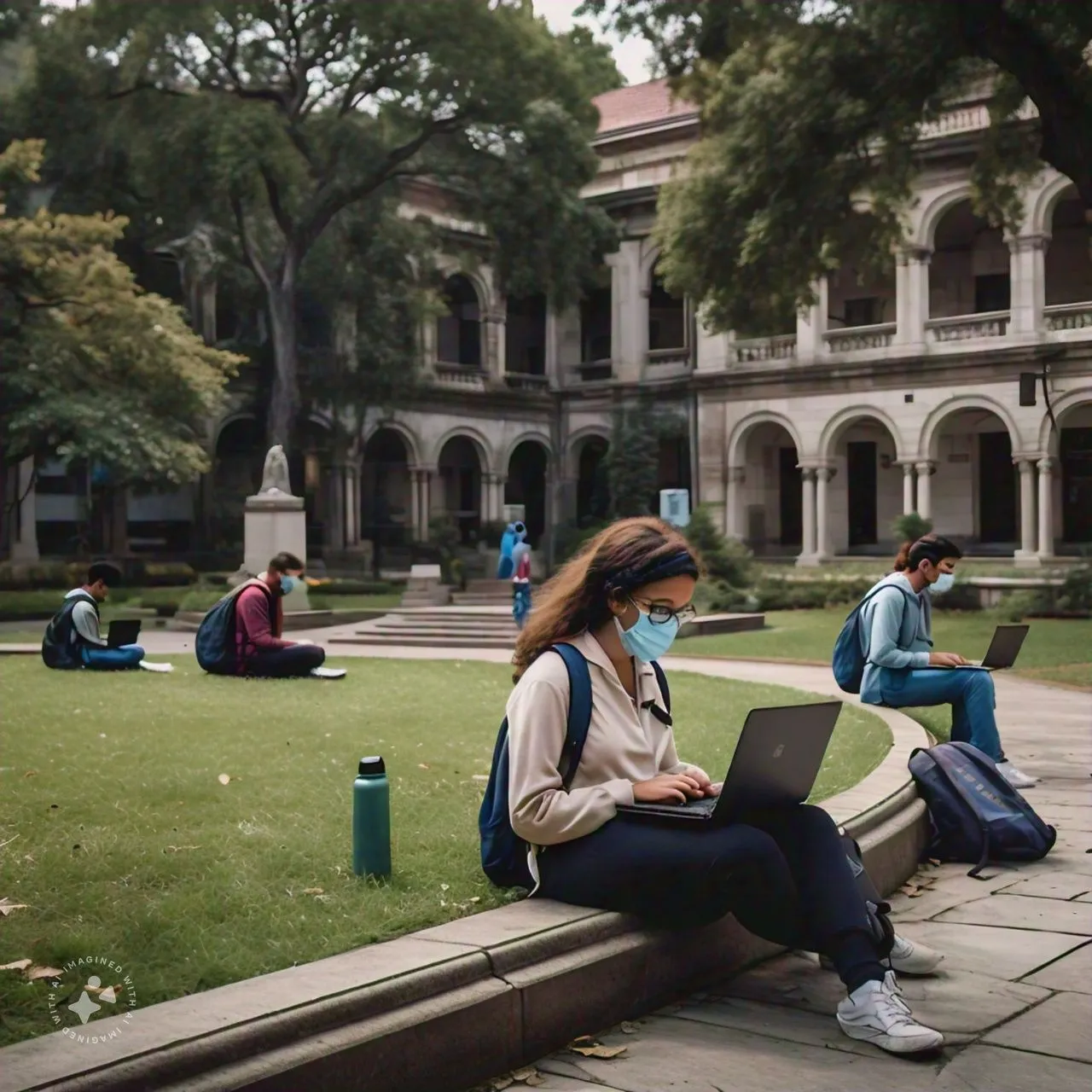
The Impact of COVID-19 on Higher Education: Lessons Learned
The Impact of COVID-19 on Higher Education: Lessons Learned
The COVID-19 pandemic has left an indelible mark on virtually every aspect of society, and higher education is no exception. Colleges and universities worldwide faced unprecedented challenges, forcing them to rethink traditional teaching methods, student engagement, and institutional operations. The rapid shift to online learning, the need for increased accessibility, and the overall transformation of educational delivery are some of the many changes brought about by the pandemic.
This article delves into the impact of COVID-19 on higher education, exploring the challenges faced, the innovations born out of necessity, and the lessons learned that will shape the future of academia.
The Shift to Online Learning: Challenges and Opportunities
1. Rapid Transition to Virtual Classrooms
When the pandemic hit, higher education institutions were forced to make a swift transition from in-person classes to virtual learning environments. This shift posed significant challenges, particularly for institutions that lacked the infrastructure for online education.
- Technological Barriers: Many institutions faced difficulties in providing the necessary technology and resources to both faculty and students. Issues such as inadequate internet access, lack of proper devices, and unfamiliarity with online platforms hindered the smooth transition.
- Teaching Adaptations: Faculty members had to quickly adapt their teaching methods to fit the online format. Courses that relied heavily on hands-on experiences, lab work, or in-person interactions had to be reimagined for virtual delivery.
Despite these challenges, the shift to online learning also presented opportunities for innovation and growth.
- Enhanced Flexibility: Online learning introduced greater flexibility for students, allowing them to access lectures and materials at their convenience. This flexibility was particularly beneficial for non-traditional students, such as working professionals or those with family responsibilities.
- Global Reach: Virtual classrooms enabled institutions to reach a broader, global audience. Students from different parts of the world could now enroll in courses that were previously inaccessible to them due to geographical constraints.
2. Engagement and Interaction in a Virtual World
One of the most significant concerns with online learning was maintaining student engagement and fostering meaningful interactions between students and faculty.
- Interactive Tools: To address these challenges, educators began utilizing interactive tools such as discussion forums, breakout rooms, and live polls to encourage participation. These tools helped create a more dynamic and engaging learning experience, even in a virtual setting.
- Virtual Office Hours: Faculty members increased their availability through virtual office hours, providing students with more opportunities to seek guidance and support. This shift not only helped maintain academic engagement but also offered a sense of continuity and connection during uncertain times.
Accessibility and Inclusivity in Higher Education
The pandemic highlighted existing disparities in access to education, particularly among students from marginalized and low-income backgrounds. However, it also prompted institutions to take significant steps toward greater accessibility and inclusivity.
1. Addressing the Digital Divide
The sudden reliance on online learning exposed the digital divide, with some students lacking access to reliable internet or appropriate devices for remote learning.
- Institutional Support: In response, many institutions took measures to bridge this gap by providing laptops, Wi-Fi hotspots, and other necessary tools to students in need. Some universities also collaborated with tech companies and internet service providers to offer discounted or free services to students.
- Community Partnerships: Colleges and universities partnered with local communities to create access points for students, such as Wi-Fi-enabled study spaces in community centers or libraries. These initiatives ensured that all students could continue their education despite the challenges posed by the pandemic.
2. Inclusive Pedagogy
The shift to online learning also prompted a reevaluation of teaching practices to ensure that they were inclusive and accessible to all students, including those with disabilities.
- Universal Design for Learning (UDL): Many institutions adopted the principles of Universal Design for Learning (UDL) to create more inclusive online courses. UDL focuses on providing multiple means of engagement, representation, and expression, allowing students with diverse needs and learning styles to succeed.
- Support Services: Institutions expanded their support services, including mental health counseling, disability services, and academic advising, to be more accessible in a virtual environment. These services played a crucial role in helping students navigate the challenges of remote learning.
Financial and Operational Challenges
The financial impact of the pandemic on higher education institutions was significant. With campuses closed, many institutions faced losses in revenue from housing, dining, and other campus-related services. Additionally, the economic downturn led to decreased enrollment, particularly among international students.
1. Budget Cuts and Resource Allocation
To cope with the financial strain, many institutions had to make difficult decisions regarding budget cuts, staff layoffs, and resource allocation.
- Prioritizing Essential Services: Institutions prioritized funding for essential services, such as online learning infrastructure, student support services, and health and safety measures. This shift in resource allocation ensured that core academic functions could continue despite budget constraints.
- Endowment and Fundraising: Some universities tapped into their endowments or launched fundraising campaigns to support students and maintain operations. These efforts helped offset some of the financial losses and provided emergency aid to students facing economic hardship.
2. Long-Term Financial Sustainability
The pandemic forced institutions to rethink their long-term financial sustainability and explore new revenue streams.
- Online Programs and Micro-Credentials: The success of online learning during the pandemic led many institutions to expand their online offerings, including micro-credentials and certificate programs. These programs cater to lifelong learners and working professionals, providing an additional revenue source for institutions.
- Public-Private Partnerships: Some institutions explored public-private partnerships to fund new initiatives or expand existing programs. These partnerships provided financial support while allowing institutions to leverage the expertise and resources of private sector organizations.
The Future of Higher Education: Lessons Learned
The COVID-19 pandemic has irrevocably changed the landscape of higher education. While the transition was challenging, it also provided valuable lessons that will shape the future of academia.
1. Embracing Hybrid Learning Models
One of the most significant takeaways from the pandemic is the potential of hybrid learning models, which combine in-person and online instruction.
- Flexibility and Accessibility: Hybrid models offer the best of both worlds allowing students to benefit from the flexibility of online learning while still enjoying the social and academic benefits of on-campus experiences. This approach also increases accessibility, making higher education more inclusive for a diverse student population.
- Resilience in Crisis: Hybrid learning models provide institutions with greater resilience in the face of future crises, whether they be pandemics, natural disasters, or other disruptions. By having robust online learning infrastructure in place, institutions can quickly pivot to remote learning if needed.
2. Focus on Student-Centered Education
The pandemic underscored the importance of student-centered education, where the needs and experiences of students are at the forefront of institutional decision-making.
- Mental Health and Well-Being: Institutions have recognized the critical role of mental health and well-being in student success. Moving forward, colleges and universities are likely to continue investing in mental health resources, wellness programs, and supportive services to ensure students can thrive both academically and personally.
- Personalized Learning Paths: The shift to online learning highlighted the benefits of personalized learning paths that cater to individual students needs, interests, and career goals. Institutions may continue to explore ways to offer more tailored educational experiences, such as adaptive learning technologies and modular course offerings.
3. Innovation and Adaptability
The pandemic demonstrated the importance of innovation and adaptability in higher education. Institutions that were able to quickly innovate and adapt to the new reality were better positioned to navigate the challenges of the pandemic.
- Agility in Curriculum Development: Moving forward, institutions will need to maintain agility in curriculum development, allowing them to respond to emerging trends, new technologies, and changing student needs. This may involve creating more interdisciplinary programs, incorporating real-world problem-solving, and fostering a culture of continuous learning and improvement.
- Lifelong Learning: The pandemic highlighted the need for lifelong learning as individuals and industries adapt to a rapidly changing world. Higher education institutions can play a crucial role in providing ongoing education and professional development opportunities for learners at all stages of their careers.
The COVID-19 pandemic has left a lasting impact on higher education, reshaping the way institutions deliver education, support students, and operate as organizations. While the challenges were significant, the lessons learned during this period will guide the future of higher education, ensuring that it is more flexible, accessible, and resilient.
As we move forward, the innovations and adaptations made during the pandemic will continue to influence higher education, paving the way for a more inclusive, student-centered, and technologically advanced academic landscape. The future of higher education will be defined by its ability to embrace change, foster innovation, and meet the evolving needs of students and society.